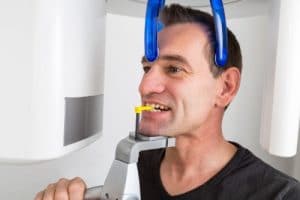


Early Orthodontic Treatment
Early Orthodontic Treatment in Buffalo, NY You may be wondering whether your child needs braces and early orthodontic treatment. There was a time when most parents didn’t begin to think about the need of early orthodontic treatment for their children until the teenage years. Now, parents, dentists, and orthodontists look toward treating children that haven’t quite hit their teen years in an effort to help avoid more complicated and costly treatment in the future. Why Should You Consider Early Orthodontic Treatment for Your Child? In the past, the trend for orthodontic treatment was to wait until most or all of a child’s permanent teeth had come in. However, most orthodontic problems are much easier to correct sooner rather than later. This is why professionals recommend and insist upon early orthodontic treatment. Certain orthodontic conditions can be treated as early as 7 or 8 years old. Although they may not be able to be totally corrected at that time, early orthodontic treatment can drastically reduce the amount of treatment that a child needs to undergo during their teen years. What Are The Most Common Early Orthodontic Treatments for Children? There are several conditions that can benefit from early orthodontic treatments. Early or late loss of baby teeth Patients usually lose their baby teeth are in the same order in which the teeth came in for the child. If a patient does not lose baby teeth during the normal time frame or in the right order, there are several issues that can require orthodontic intervention. Crowding of teeth may occur if the baby teeth are lost too soon. If baby teeth fall out too late, the permanent teeth may come in crowded and also be crooked. If a permanent tooth comes in before a baby tooth is lost, it can create crowding. Although crowding isn’t an emergency, it is something that can affect the smile or bite of a child. If a child loses a tooth due to trauma or decay, early orthodontic treatment can include using a spacer to make sure that the permanent tooth comes in correctly. Orthodontic issues caused by thumb sucking Prolonged thumb sucking can cause an open bite. Sometimes an open bite corrects itself, but many times it can only be corrected with orthodontic care. In severe cases, surgery may be required to correct the open bite. What Are Overbites and Underbites? An overbite occurs when the upper jaw is longer than the lower jaw. An underbite occurs when the lower jaw is longer than the upper jaw. Overbites and underbites don’t always cause problems. Yet, even if your child doesn’t suffer from a speech impediment or sinus problems they may be subject to teasing from other children. Early orthodontic treatment involves taking x-rays and a mold to determine the cause of the misplaced bite. Then, treatment is customized for each child. What Is A Crossbite? A crossbite can be either anterior or posterior. Essentially, it means that when your child bites down, their teeth don’t line up properly. A crossbite can cause dental problems and problems for your child’s self-esteem. It’s possible that an untreated crossbite can cause your child’s face to develop in an asymmetrical fashion. It can also cause gum disease and chronic pain in the jaw, neck, and shoulders. A crossbite can be corrected with early orthodontic treatment and can save your child from a life full of chronic pain and low self-esteem. The Stages of Early Orthodontic Treatment Early orthodontic treatment is usually done in stages. These stages are referred to as Phase I and Phase II. In Phase I, treatment focuses on correcting your child’s bite, teaching your child good oral hygiene, preventing or lessening a dental issue, helps guide the development of the child’s jaw, guides permanent teeth into their proper place, and could also provide a positive boost to your child’s self-esteem. Phase I is all about beginning the corrections that need to occur to help minimize the risk of lifelong dental issues. Phase II occurs a little bit later into the early orthodontic treatment. This involves the use of braces. The purpose of braces is to help guide your child’s teeth into the proper position and stabilize them. Phase II often doesn’t begin until the child is between 11 and 15 years of age. Their permanent teeth have come in. One of the benefits of waiting until this age for braces is that orthodontists are able to work with the child’s bite and teeth placement during the time they are most likely to grow. This can actually help lessen the amount of time that the child needs to have braces. Determining If Your Child Would Benefit from Early Orthodontic Treatment So, just how do you know if your child would benefit from early orthodontic treatment? As a parent, you may see some indications in the way that your child’s smile looks or if they’re complaining of pain in their jaw.
Video: Early Orthodontic Treatment